
European cars require specialist mechanics because their engineering, electronic systems, and servicing standards are fundamentally different from those of mass-market vehicles. European manufacturers design vehicles around tight tolerances, integrated software systems, and model-specific service procedures, which demand specialised diagnostics, tools, and technical training. In Australia, choosing a non-specialist workshop for a European vehicle often leads to misdiagnosis, incomplete repairs, and avoidable long-term costs.
What “European Car Specialist” Actually Means
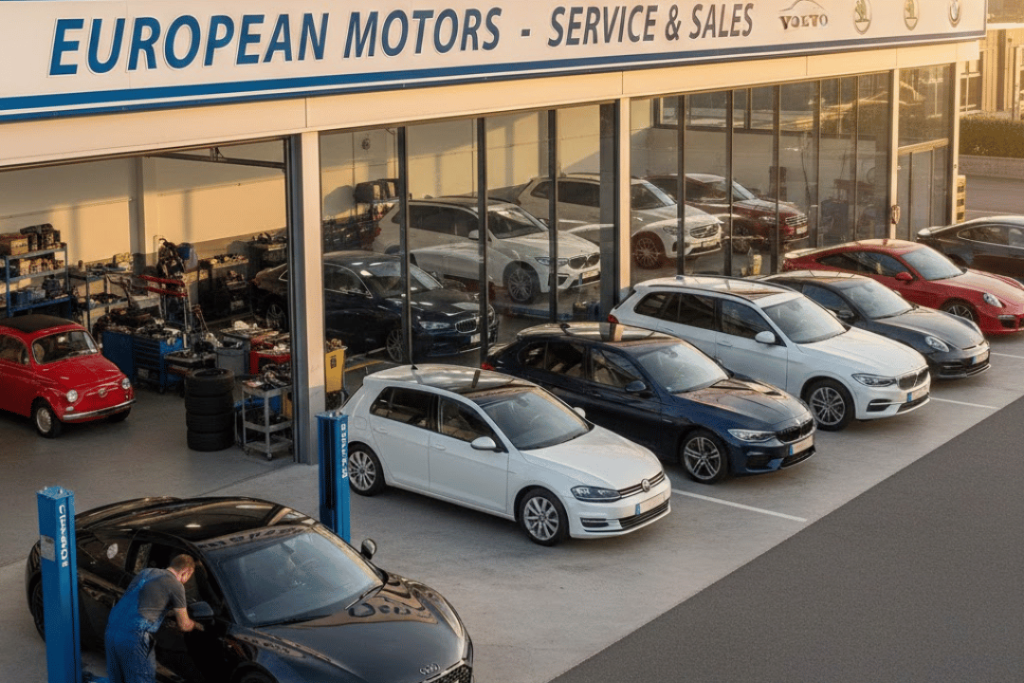
A European car specialist is not simply a mechanic who works on European brands occasionally. Specialisation refers to:
- dedicated diagnostic platforms,
- manufacturer-aligned service procedures,
- familiarity with European engineering logic,
- ongoing technical training specific to European systems.
Without this alignment, even routine servicing can introduce faults rather than prevent them.
How European Vehicle Engineering Differs
Tighter Engineering Tolerances
European manufacturers design engines, transmissions, and suspension systems with minimal tolerance margins to maximise performance, efficiency, and handling. This means:
- incorrect fluids cause accelerated wear,
- improper torque settings lead to component failure,
- minor deviations can trigger fault conditions.
Generalist repair approaches that work on other vehicles often fail under these constraints.
Integrated Mechanical and Electronic Systems
European vehicles rely heavily on software-controlled mechanical systems. Components such as:
- transmissions,
- braking systems,
- steering,
- engine management,
are continuously monitored and adjusted by control modules. Repairs must therefore address both the mechanical component and its electronic calibration.
Why Diagnostics Are Critical for European Cars
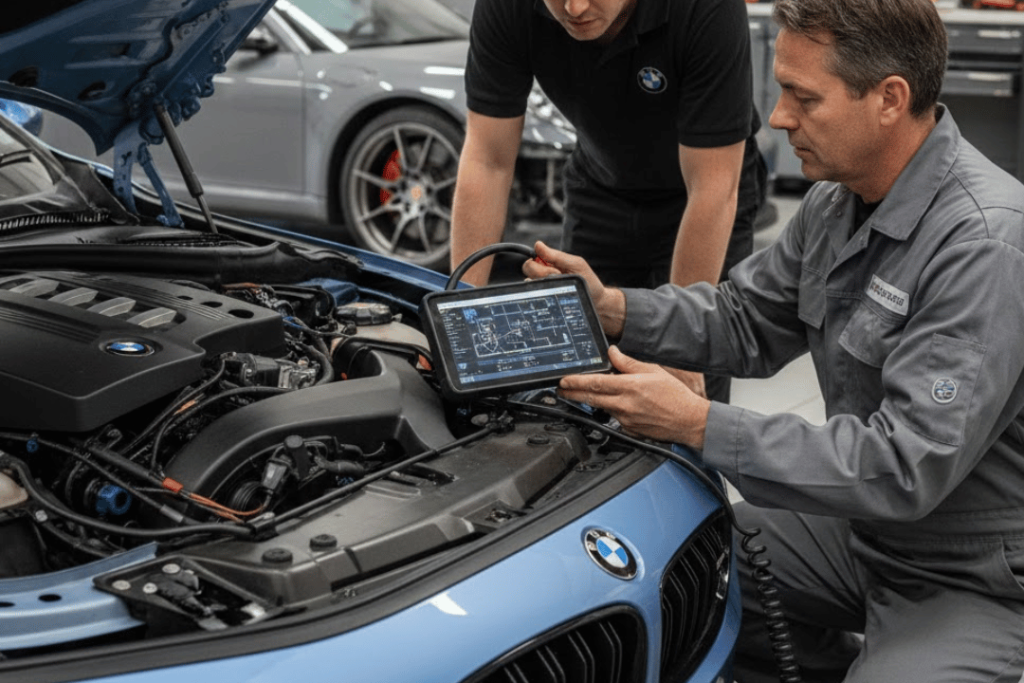
Manufacturer-Specific Diagnostic Platforms
European vehicles require diagnostic tools that can:
- communicate with proprietary control modules,
- read manufacturer-specific fault codes,
- perform adaptations, calibrations, and resets.
Generic scan tools often provide incomplete data or misleading fault interpretations.
Coding, Adaptation and Software Alignment
Many European car repairs require:
- software coding after part replacement,
- system reinitialisation,
- sensor calibration.
Without correct post-repair programming, vehicles may continue to display faults or operate in reduced-performance modes.
Servicing Standards and Procedures
Strict Service Intervals and Specifications
European servicing is governed by:
- precise oil specifications,
- exact service intervals,
- condition-based maintenance systems.
Deviating from these standards can:
- void warranties,
- trigger warning systems,
- reduce engine longevity.
Model-Specific Procedures
Unlike generic vehicles, European models often require:
- brand- and model-specific service steps,
- specialised tools for access and disassembly,
- sequence-sensitive repair procedures.
Skipping or altering these steps compromises reliability.
Common Problems Caused by Non-Specialist Repairs
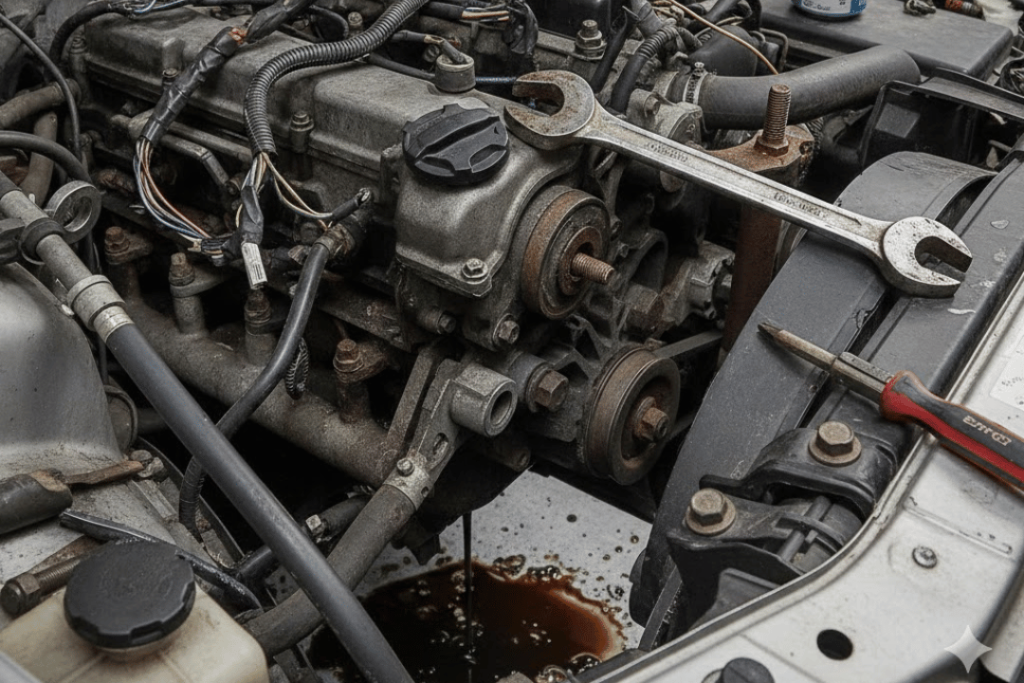
When European vehicles are serviced by non-specialist workshops, common issues include:
- unresolved fault codes,
- repeat warning lights,
- drivability issues after repairs,
- premature component failure.
These outcomes are usually not caused by the vehicle itself, but by incorrect diagnostic and service processes.
Cost vs Value: The Specialist Misconception
European specialist servicing is often perceived as more expensive. In reality:
- accurate diagnostics reduce repeat labour,
- correct procedures prevent secondary failures,
- proper servicing extends component lifespan.
The true cost risk lies in incorrect repairs, not specialist expertise.
Why European Vehicles Demand Ongoing Specialist Knowledge
European manufacturers continuously update:
- software logic,
- emissions systems,
- safety technologies,
- driveline integration.
Staying current requires focused training and investment that generalist workshops rarely maintain.
When a European Car Specialist Is Essential
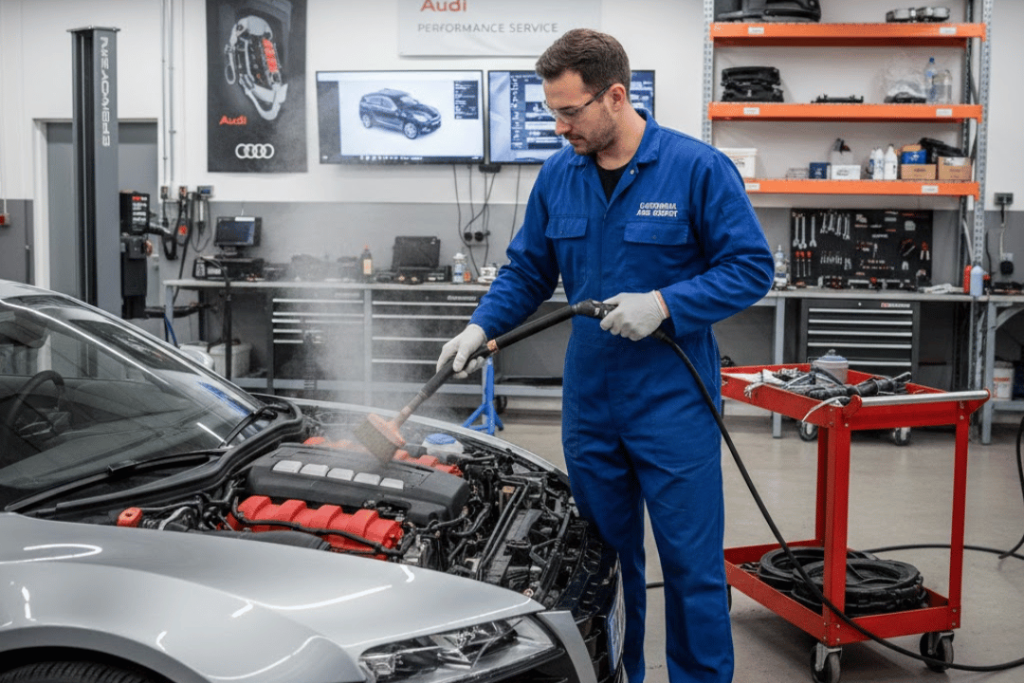
Specialist expertise is critical when:
- warning lights persist after repairs,
- electronic systems behave unpredictably,
- advanced driver systems are involved,
- drivetrain or transmission faults occur.
At these points, generic troubleshooting becomes ineffective.
Specialist European Vehicle Care
Expert Servicing from Triggs Garage
European vehicles are engineered to precise standards that demand specialised diagnostics, manufacturer-aligned servicing procedures, and model-specific expertise. Choosing the right mechanic is not about convenience, it is about ensuring your vehicle is serviced in accordance with how it was designed to operate.
Triggs Garage is a dedicated European car specialist, providing accurate diagnostics, correct software integration, and servicing processes aligned with European manufacturer requirements. Our approach focuses on identifying root causes, applying the correct technical procedures, and protecting long-term vehicle reliability.
If you own a European vehicle and want confidence that it is being serviced correctly rather than generically, speaking with a specialist can prevent recurring faults, unnecessary repairs, and avoidable expense.
Contact Triggs Garage to discuss specialist servicing and diagnostics for your European vehicle.